Source Training Stool for Plyometric, Step, and Gym Use
Source a training stool from 30 verified listings to compare features like foldable designs, steel construction, and adjustable heights. Evaluate options for commercial gyms, home exercise, and outdoor fitness applications to find the right fit for your needs; compare the available evidence and request quotations based on your requirements.
Key considerations
Products List







Comprehensive Sourcing Guide
Training Stool Sourcing Guide
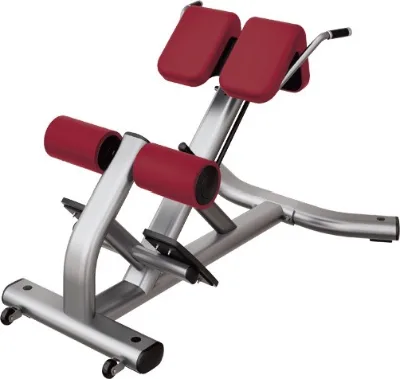
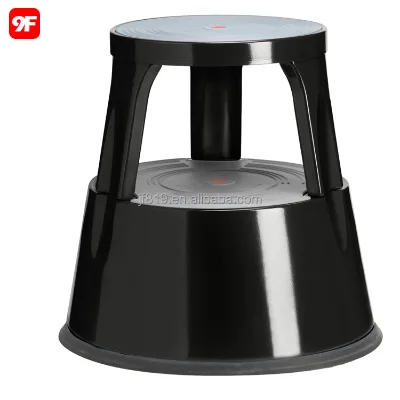
Procurement professionals evaluating training stools must first distinguish between specialized plyometric boxes and multi-functional step ladders, as the supplied data reveals distinct product categories under this keyword. One observed listing describes a steel Roman chair with foldable features and a substantial 60kg weight, intended for commercial gym environments, while another entry details a lightweight, two-step kick stool with a 110kg load capacity and telescopic functions. These divergent specifications indicate that a single search term often aggregates equipment designed for entirely different physical activities, ranging from high-impact jumping drills to general access or balance training.
Buyers must carefully align their specific training requirements with the observed product attributes to avoid purchasing mismatched equipment. The presence of a 60kg steel Roman stool suggests a heavy-duty application for strength training, whereas the 5kg kick step stool with a 410mm height is better suited for agility drills or light household exercise. Understanding these physical distinctions is critical before engaging suppliers, as the structural integrity, footprint, and intended user base vary significantly between a foldable plyometric box and a rotary, adjustable step ladder.
Product Scope and Observed Listing Signals
The market for training stools currently displays a wide variance in material composition and structural design, with steel being the dominant material observed in both heavy-duty and lightweight variants. Listings indicate that some units are constructed from cold steel with a modern style, featuring foldable and disassembly capabilities to facilitate storage and transport. In contrast, other products in this category utilize a robust steel frame designed for commercial durability, offering features like eco-friendly finishes and adjustable heights to accommodate diverse user needs in both indoor and outdoor settings.
Visual and functional signals in product listings often highlight customization options, including the availability of OEM branding and customized logos for corporate or institutional buyers. The observed data shows that suppliers frequently offer single-item selling units with specific packing details, such as carton packaging for individual pieces, which simplifies logistics for small orders. However, the presence of varying model numbers, such as SNX044 and JFSS-01, alongside different dimensions like a 1270x680x970mm footprint versus a compact 230x450x450mm packing size, necessitates a rigorous review of technical drawings before finalizing any purchase agreement.
Technical Specifications to Verify
When evaluating the technical specifications of training stools, buyers must prioritize the verification of load-bearing capacity and dimensional stability to ensure safety during high-intensity use. The observed listings provide specific metrics, such as a 110kg loading limit for a two-step ladder and a 60kg weight for a Roman chair, which serve as critical benchmarks for structural integrity. Procurement teams should request detailed engineering data to confirm that the base diameter and top diameter, such as the 433mm and 283mm measurements noted in specific models, meet the stability requirements for the intended training environment.
Dimensional accuracy and adjustability features are equally critical, particularly for equipment designed for multiple users or varying training protocols. Buyers should verify the exact height specifications, such as the 410mm height of a kick step stool, and confirm the range of adjustability for telescopic or foldable models. It is essential to cross-reference the stated product size, such as 1270x680x970mm, with the actual packing dimensions to ensure the equipment fits within the available storage space and to calculate accurate shipping costs based on the volume and weight of the carton packaging.
Compliance and Safety Documentation
Safety compliance is a non-negotiable aspect of sourcing training equipment, and buyers must verify that suppliers possess valid certifications such as GS, TUV, and CE for the specific models under consideration. The observed data indicates that some products carry these certifications, which are essential for demonstrating adherence to international safety standards, particularly for equipment used in commercial gyms or public facilities. Procurement teams should request current certification documents and ensure they cover the specific model number and material composition to avoid accepting outdated or generic compliance claims that may not apply to the exact unit being purchased.
Beyond standard certifications, buyers should investigate the specific safety features embedded in the design, such as anti-slip surfaces, stable base geometries, and secure locking mechanisms for foldable or telescopic components. The presence of features like "Safety" and "Durable" in product attributes suggests a focus on user protection, but these claims must be substantiated by third-party test reports or detailed safety manuals. It is advisable to require suppliers to provide evidence of load testing and stability analysis, ensuring that the equipment can withstand the dynamic forces generated during plyometric jumps or repetitive stepping exercises without failure.
Cost Drivers and Commercial Terms
The cost of training stools is heavily influenced by material quality, manufacturing complexity, and the extent of customization required, such as OEM branding or specific color finishes. Listings show a price range from 3.3 to 254 USD, reflecting the disparity between lightweight, simple step stools and heavy-duty, commercial-grade Roman chairs with advanced features. Buyers should analyze the cost per unit against the observed weight and material specifications, as heavier steel constructions and larger dimensions naturally incur higher material and shipping costs compared to compact, foldable alternatives.
Commercial terms, including Minimum Order Quantity (MOQ) and supply ability, vary significantly across suppliers and must be negotiated to align with inventory needs. The observed data indicates an MOQ range of 1 to 1000 units, with some suppliers offering a weekly production capacity of up to 10,000 pieces, which suggests flexibility for both small and large orders. Procurement professionals should clarify the lead times associated with customized orders, such as those requiring specific logos or colors, and confirm the port of dispatch to accurately calculate total landed costs and manage supply chain timelines effectively.
Supplier Qualification and Quality Control
Supplier qualification requires a thorough assessment of the manufacturer's location, production capacity, and history of delivering consistent quality for industrial or commercial equipment. The observed listings identify origins in Shandong and Shanghai, China, regions known for steel fabrication, but buyers must verify the specific factory capabilities to ensure they can meet the required production standards and volume demands. It is crucial to confirm that the supplier has a dedicated quality control process for steel welding, surface finishing, and assembly to prevent defects that could compromise the safety and longevity of the training stools.
Quality control protocols should include pre-shipment inspections that verify critical attributes such as weight, dimensions, and the functionality of moving parts like hinges and telescopic mechanisms. Buyers should request sample units to test the "Foldable," "Rotary," and "Disassembly" features mentioned in the product attributes, ensuring that these mechanisms operate smoothly and securely under load. Establishing a clear communication channel for quality feedback and defining acceptance criteria for defects will help mitigate risks and ensure that the delivered products match the specifications and performance expectations outlined in the initial inquiry.
Long-Term Procurement Checks
Long-term procurement success depends on establishing a reliable supply chain that can support ongoing maintenance, replacement, and potential scaling of training equipment inventory. Buyers should evaluate the supplier's ability to provide spare parts or replacement components for foldable or adjustable mechanisms, as these are common points of wear in high-usage environments. Confirming the availability of after-sales support and the supplier's responsiveness to quality issues will ensure that the training stools remain functional and safe throughout their intended lifespan, reducing the total cost of ownership.
Regular audits of the supplier's production processes and adherence to agreed-upon standards are essential for maintaining product consistency over time. Procurement teams should schedule periodic reviews to verify that the materials, such as cold steel or specific finishes, remain consistent with the initial samples and that the certification status remains valid. By maintaining a proactive relationship with the supplier and monitoring performance metrics, buyers can ensure a steady supply of high-quality training stools that meet the evolving needs of their facilities and users.
FAQs
What materials are used for training stools?
Training stools are primarily constructed from steel, including cold steel variants, to ensure structural integrity and durability. These materials support heavy loads up to 110kg while maintaining a lightweight profile for easy handling. The robust metal construction ensures the equipment remains stable during intense plyometric exercises and commercial gym usage.
Can training stools be customized with logos?
Yes, customization is available for training stools, allowing buyers to add customized logos to the equipment. This service supports OEM branding requirements for commercial gyms and fitness centers. Buyers can specify their branding needs to ensure the final product aligns with their corporate identity and aesthetic preferences.
What certifications do training stools have?
Training stools typically carry certifications such as GS, TUV, and CE to ensure safety and quality compliance. These standards verify that the equipment meets rigorous safety requirements for commercial and home use. Buyers should verify specific certification documents with suppliers to ensure the products meet local regulatory standards for their target markets.
Are training stools foldable for storage?
Many training stools are designed to be foldable, making them ideal for spaces with limited storage. Features like disassembly and folding mechanisms allow for compact storage when not in use. This design enhances versatility for both home exercise setups and commercial facilities that need to maximize floor space efficiently.
What is the typical weight capacity of a training stool?
Training stools generally support a loading capacity of up to 110kg, ensuring safety for most users. Some models may have a total weight of around 60kg, indicating robust construction. Buyers should check specific model specifications to confirm the exact load-bearing limits suitable for their intended commercial or home training applications.
Where are training stools manufactured?
Training stools are commonly manufactured in China, with origins in regions like Shandong and Shanghai. These locations are known for producing high-quality fitness equipment with competitive pricing. Buyers can source products directly from these regions, ensuring access to a wide variety of models and customization options from established manufacturers.